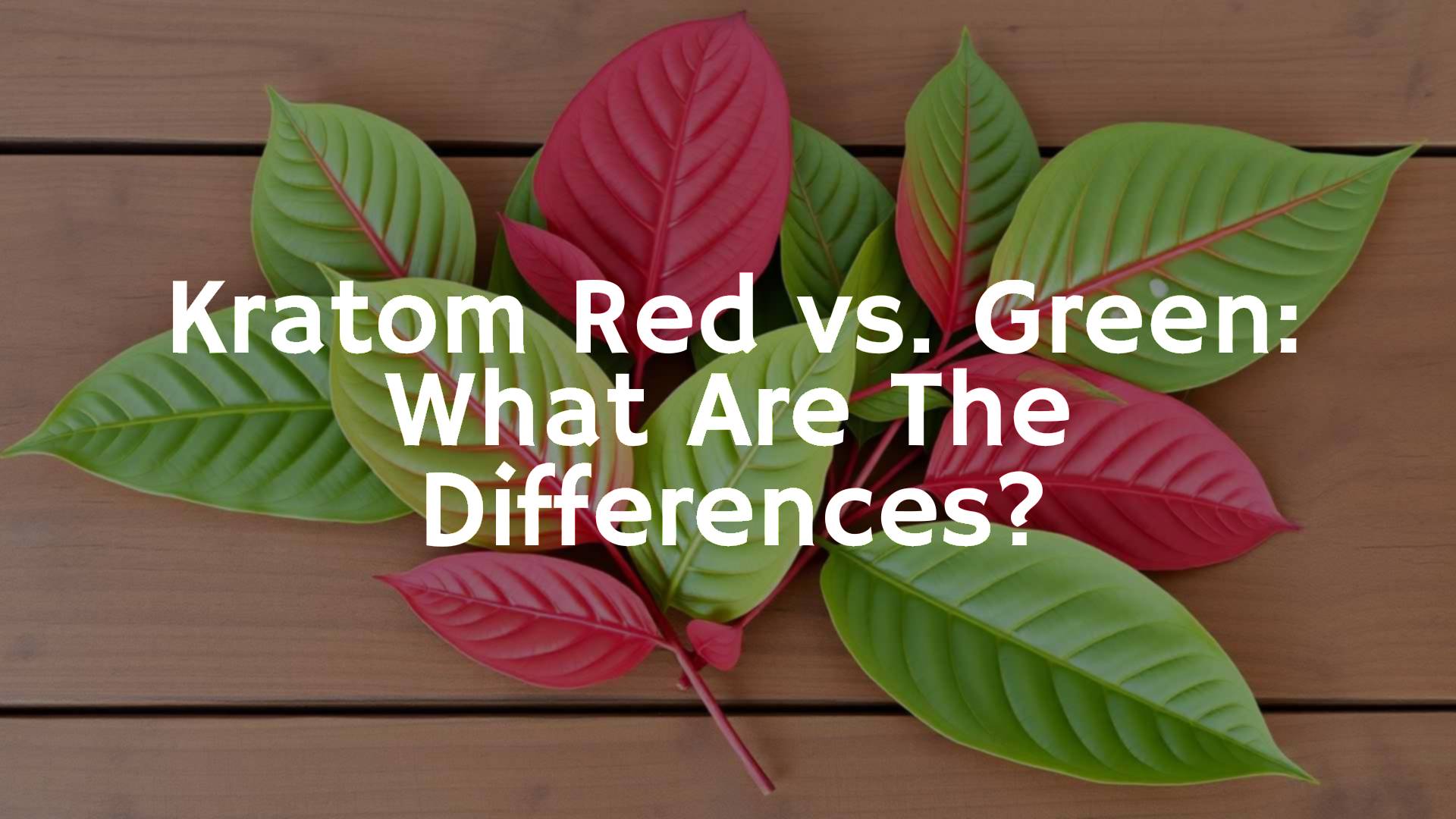
When you start learning about kratom, one of the first things you’ll notice is the difference between red and green strains. Both come from the same Mitragyna speciosa tree that grows in Southeast Asia, but they are usually used for different purposes. The main differences come from how the leaves are picked and dried and how this affects their alkaloid content. This then influences whether a strain feels more calming and relaxing, or more energizing and focusing. This article explains those differences so you can decide which type might work better for you.
What Are Red and Green Kratom Strains?
Kratom is made from the leaves of the Mitragyna speciosa tree, native to countries like Indonesia, Malaysia, and Thailand. The leaves contain many alkaloids, mainly mitragynine and 7-hydroxymitragynine, which are responsible for most of its effects. To make things easier to understand, kratom is often grouped by leaf vein color: red, green, and white.
Red and green vein kratom do not come from different trees. A single tree can have leaves with different colored veins. The color and the reported effects are mostly linked to how old the leaves are when they are picked and how the farmers dry and process them. These steps play a big role in shaping the final alkaloid mix and the way users experience each type.

What Defines Red Vein Kratom?
Red vein kratom usually comes from the oldest, fully mature leaves on the tree. These leaves have clearly red-tinted veins and stems. After harvest, they are often dried outside with a lot of direct sunlight. Sometimes farmers also use a short fermentation step. This drying style makes the leaves look darker and slightly reddish, and the final powder usually turns a deep, dark green.
This process is believed to change the balance of alkaloids so that red strains feel more calming and relaxing. People often use red vein kratom for stress relief, easing physical pain or discomfort, and helping with sleep. Many see red kratom as an evening strain, useful for winding down after a busy day and calming both body and mind.
What Defines Green Vein Kratom?
Green vein kratom is made from semi-mature leaves. These are usually dried indoors in controlled conditions. By limiting sunlight and oxidation, the leaves keep a brighter green color, and the powder stays a lighter, vivid green. Green kratom sits between red (more relaxing) and white (more stimulating).
People often choose green kratom for its “balanced” feel. It can give a mild energy lift along with a sense of ease. Many describe it as a clean, smooth, uplifting energy without jitters or a harsh crash. This is why green strains are popular for daytime use and for supporting focus, productivity, and general mood.

What Is the Difference in Alkaloid Content?
The usual explanation for the differences between red and green kratom is that they have different alkaloid profiles. Mitragynine is the main alkaloid in all strains and can make up around two-thirds of the total alkaloids, but other alkaloids can vary. Some indole alkaloids, including speciogynine, speciociliatine, and 7-hydroxymitragynine, may be higher in older leaves used for red strains.
However, newer research suggests the picture is more mixed. A 2023 study by Huisman et al. looked at whether kratom products labeled as different colors produced clearly different self-reported effects. Users did report differences that matched common marketing claims (red for relaxation, green for energy and mood). But when the researchers tested the products, they found no clear differences in the levels of major alkaloids like mitragynine, paynantheine, speciogynine, or speciociliatine between the colors. This suggests that perceived differences may sometimes come from marketing, expectations, stories shared online, or placebo effects. It is also possible that small, unmeasured compounds, terpenes, or individual differences in metabolism influence how each person experiences a given strain.
Red vs Green Kratom: Core Differences
Red and green kratom are not just different in theory; users regularly report different real-life effects and uses. Even if lab tests do not always show big gaps in the main alkaloids, many people experience them as distinct in practice.
How Are Effects Different?
Red vein kratom is widely associated with deep relaxation and calm. People often use it for:
- stress relief,
- helping with pain and physical discomfort,
- supporting better sleep.
Many users see red kratom as a natural aid to help them unwind and fall asleep more easily, especially in the evening.
Green vein kratom, by contrast, tends to feel more balanced. It is often described as:
- gently energizing,
- supportive of focus and concentration,
- uplifting for mood.
It doesn’t usually feel as sedating as red strains, nor as intense as white strains. This makes it a flexible choice during the day when people want a natural boost for work, study, or daily tasks.

Which Strains Are Most Popular?
All kratom types have fans, but red vein kratom currently outsells both white and green types combined. This may be because many people are looking for relief from pain and tension and notice the relaxing effects of red strains more clearly.
| Color | Popular Strains | Typical Use |
|---|---|---|
| Red | Red Maeng Da, Red Bali, Red Borneo | Relaxation, pain relief, sleep |
| Green | Green Maeng Da, Green Bali, Green Malay | Energy, focus, mood support |
Examples:
- Red Maeng Da: often seen as a steady, afternoon strain with strong mitragynine levels.
- Red Bali: commonly used for rest, recovery, and evening relaxation.
- Red Borneo: favored for promoting restful sleep and a calm mood.
- Green Maeng Da: popular for focus and mood lift.
- Green Bali: chosen to fight afternoon tiredness and support a peaceful but alert state.
- Green Malay: known for mild energy, improved mood, and sociability.
What Do Users Report About Each Type?
User comments usually match the general view of red versus green. For red strains, people often mention strong relaxation and relief:
- A user said Red Maeng Da powder felt “sedating yet somehow perks me up,” showing a calm but alert mix.
- Another called Red Bali “delightful and relaxing,” with long-lasting, pleasant effects.
- Red Borneo is often praised for helping people unwind at night while still feeling social.
Green strain users usually talk about energy and focus:
- Nick D. reported that certain green tablets gave “just the right level of energy without the jitters.”
- Mark W. said green kratom provided “smooth uplifting energy” that helped him stay productive.
- An anonymous user found that Green Malay offered “an afternoon lift and focus” and supported an active day.
- Samuel K. shared that Green Bali improved his daily life, giving “energy and motivation” while still helping him sleep when needed.
How Do Red and Green Kratom Affect Mood, Energy, and Relaxation?
The main way people separate red and green kratom is by how they affect mood, energy levels, and relaxation. This often guides when and why each type is used.
Red Kratom: Promoting Calm and Relief
Red vein kratom is best known for promoting calm and reducing discomfort. Its strong action on the brain’s opioid receptors explains its more sedating feel. Users often notice:
- less pain and fewer pain signals,
- slower, quieter thoughts,
- a general easing of tension in the body.
Red strains can relax muscles, lower energy, and quiet the nervous system, which makes them appealing for people who want to unwind.
People often use red kratom to manage stress and anxiety and to support better sleep. Those with chronic pain or high anxiety sometimes prefer red strains as a plant-based option instead of or alongside prescription drugs, though this approach carries its own risks.
Green Kratom: Improving Focus and Motivation
Green vein kratom usually has a gentler effect on opioid receptors than red strains and may influence brain chemicals like dopamine and serotonin. Many users say it:
- improves mood,
- helps with concentration,
- gives light to moderate energy.
This balance means users may feel clear-headed, mildly energized, and more positive, without feeling overstimulated.
People often reach for green kratom to support work, study, and social time. They may feel more motivated and less socially anxious while still staying alert. For those who want a calmer mood but need to stay awake and active, green strains may be a better match than reds.

Potential Benefits and Risks of Red vs Green Kratom
Both red and green kratom can offer certain benefits, but they also carry risks. Knowing both sides helps you make safer choices.
Main Uses and Applications
Red vein kratom is mostly used for:
- Pain relief: easing chronic pain or general aches.
- Sleep support: helping people fall asleep and stay asleep more easily.
- Anxiety and stress relief: calming the mind and body.
- Opioid withdrawal support (short term): some people use it to lessen withdrawal discomfort, though this may start a new dependence.
Green vein kratom is more often used during the day for:
- Focus and concentration: staying on task for work or study.
- Mild energy boost: extra stamina without strong stimulation.
- Mood support: better outlook and motivation.
- Light pain relief: some easing of pain without heavy drowsiness.
- Sociability: some users feel more talkative and comfortable in social settings.
Possible Adverse Effects and Long-Term Risks
Even though kratom is plant-based, it still has risks, especially with frequent or heavy use. Short-term side effects can include:
- nausea,
- dry mouth,
- dizziness,
- constipation,
- headaches.
More serious concerns appear with regular high doses:
- Tolerance: needing more to get the same effect.
- Dependence and addiction: the brain adapts, and stopping can cause withdrawal.
- Withdrawal symptoms: irritability, fatigue, anxiety, muscle aches, nausea, and insomnia after quitting.
- Mental fog and mood swings: especially with frequent heavy use.
- Possible liver or digestive issues in some users.
Red strains, due to their stronger sedating action, might carry a slightly higher risk of dependence. Mixing kratom with alcohol, sedatives, or stimulants greatly increases the danger of overdose, slowed breathing, and other serious problems. Kratom use can also hide mental health issues, delaying proper treatment.
Red vs Green Kratom: Aroma, Flavor, and Duration of Effects
Beyond their mental and physical effects, red and green kratom differ in taste, smell, and how long their effects seem to last.
What Are the Aroma and Flavor Profiles?
Red vein kratom often has:
- a strong, earthy aroma,
- a bold, sometimes quite bitter taste,
- a “heavier” flavor that some describe as richer or more fermented.
This may be due to the older leaves and outdoor drying or partial fermentation, which can change the plant material more deeply.
Green vein kratom usually has:
- a fresher, herbal or grassy smell,
- a lighter, somewhat less bitter taste,
- a smoother overall flavor that some find easier to drink or mix.
Because of this, many people find green strains easier to take in tea or mixed into drinks.
How Long Do Effects Last?
For most people, both red and green kratom last about 5-6 hours. Some users feel that:
- red strains, especially at higher servings, seem to last a bit longer,
- green strains may feel “shorter” because the effects are more energetic and less heavily sedating.
Duration and strength vary from person to person and depend on:
- body weight,
- metabolism,
- recent food intake,
- serving size,
- overall sensitivity to kratom.
Smaller servings usually feel more stimulating and may seem shorter-lived. Larger servings tend to feel heavier and more relaxing, and people often say these last longer.
Safe Usage: Serving Size Guidelines for Red and Green Kratom
Using kratom safely depends a lot on how much you take. Since effects change with dose and everyone’s body is different, it’s wise to move slowly and pay attention to how you feel.
How to Choose the Right Dosage
For new users, a simple rule is: start low and increase slowly.
- Begin with 1-2 grams of either red or green kratom.
- Wait at least 1-2 hours to see how you react.
- If needed, increase by no more than 0.5 gram at a time on future uses.
This cautious method helps limit side effects and lets you find the smallest amount that gives you the result you want.
Can Dosage Affect the Experience or Risks?
Yes, dosage strongly changes both how kratom feels and how risky it is.
- Low doses: more energizing, focusing, and mood-lifting.
- Moderate to high doses: more sedating, relaxing, and pain-relieving.
For red strains:
- low doses may bring light relaxation,
- higher doses may lead to heavy sedation and strong pain relief.
For green strains:
- low doses often bring a mild energy lift and better focus,
- higher doses can feel more relaxing, though usually less sedating than reds.
Higher doses and frequent use raise the risk of:
- tolerance,
- dependence and addiction,
- more intense withdrawal if you stop suddenly.
Daily use makes these problems more likely. Many experienced users limit kratom to no more than 3-4 days per week and keep doses as low as possible to reduce these risks.
Who Should Choose Red or Green Kratom?
Your choice between red and green kratom should match your goals and your daily routine. Each color tends to fit different needs and times of day.
Which Users May Prefer Red Kratom?
Red vein kratom may be better for people who want strong calm and relief, such as those who:
- Need to relax in the evening: to quiet the mind and body after work or stress.
- Live with chronic pain or frequent aches: and want help with physical discomfort.
- Have trouble sleeping: and are looking for a natural sleep aid.
- Want deep mental and physical relaxation: for rest days, recovery, or before bed.
Red strains are usually better at night, since their sedating effects can interfere with driving, work, or tasks that demand alertness. Some people also use red kratom while coming off opioids to ease symptoms, but this can create new dependence issues and should be approached carefully, ideally under medical guidance.
Which Users May Prefer Green Kratom?
Green vein kratom might be a better choice for those who want balance and daytime support, such as people who:
- Want a gentle energy lift: without feeling wired or shaky.
- Need focus and productivity: for studying, office work, or creative tasks.
- Seek mood support: and a more positive outlook during the day.
- Need mild pain relief: but must stay awake and functional.
- Want help with social situations: feeling more at ease talking with others.
Green strains are usually used during the day because they support mental clarity and motivation while staying lighter than reds. Many people use them as part of their work or study routine.

Can You Mix Red and Green Kratom? Effects and Considerations
Some experienced users mix different strains, including red and green, to create a more specific effect. This can work for some people, but it also needs careful handling.
Are There Benefits to Combining Strains?
Mixing red and green strains can sometimes offer a more balanced effect, for example:
- Using a red strain for pain relief and calm,
- Adding a green strain to keep some energy and focus.
People may aim for a state of calm alertness: less pain and stress, but still able to think clearly. Blending can also “soften” a strain that feels too strong on its own, such as:
- adding green to a very sedating red to feel less drowsy,
- adding red to a stimulating green to feel calmer.
This can help some users avoid taking very high doses of a single strain.
What Precautions Should Be Taken?
If you choose to mix red and green kratom, keep these points in mind:
- Start small: Use low amounts of each strain when you first try a blend.
- Know each strain by itself first: Try each alone on separate days so you understand how they affect you before mixing them.
- Watch for dependence: Blends can still cause tolerance and withdrawal if used too often or in high doses.
- Keep things simple: Try to use one or two strains at a time. Complex mixes make it hard to know what is helping or causing problems.
- Pay attention to your body: If you notice side effects or feel unwell, reduce the amount or stop using the blend.
Blending can be helpful for some, but it should be done slowly and with respect for how powerful kratom can be.
Frequently Asked Questions About Kratom Red vs Green
Which Is Stronger, Red or Green Kratom?
“Stronger” depends on what you mean. In terms of sedation and pain relief, most people find red kratom stronger. It is more likely to bring deep calm and to help with significant pain. Green kratom tends to be milder and more balanced, with more focus and mood lift and less heavy sedation. So:
- For strong relaxation and pain relief: red is usually stronger.
- For a clear, energizing, but not overwhelming effect: green is often preferred.
Is Red or Green Kratom Better for Anxiety or Stress?
For more intense anxiety or stress, users often choose red kratom because of its calming and sedating qualities. It can quiet racing thoughts and calm the nervous system. Green kratom can also help with mood and mild anxiety, but it usually does so in a more “awake” way, making it better for daytime stress when you still need to function.
Is Red or Green Kratom Safe for Long-Term Use?
Long-term use of either red or green kratom comes with risks. Over time, both can lead to tolerance, dependence, and withdrawal symptoms when you stop. Green strains might lead to slightly slower tolerance growth than reds for some people, but this is not guaranteed.
Long-term safety depends heavily on:
- how much you use,
- how often you use it,
- your health and personal sensitivity,
- whether you mix kratom with other substances.
Regular medical guidance is recommended for ongoing use, and most harm-reduction approaches suggest avoiding daily use to lower the risk of dependence.
Can Red or Green Kratom Cause Dependence or Addiction?
Yes. Both red and green kratom can cause dependence and addiction, especially with high doses or frequent use. Kratom acts on the same receptors as opioids, and the brain can adapt to this over time. Red strains, due to their stronger calm and pain relief effects, may raise the risk of addiction for people who use them often for pain, anxiety, or sleep. Green strains can also lead to dependence, even if the build-up can feel slower.
Stopping kratom after long-term use can trigger withdrawal symptoms, such as:
- irritability,
- low mood or anxiety,
- muscle aches,
- fatigue,
- nausea,
- trouble sleeping.
Final Thoughts: Choosing Between Red and Green Kratom
Choosing between red and green kratom is less about which is “better” overall and more about which matches your goals. Red strains are usually linked with strong relaxation, pain relief, and sleep support, while green strains are tied to mild energy, focus, and mood lift during the day.
Everyone’s response to kratom is personal. Your body chemistry, your health, and your daily life all influence what will work for you. A careful approach means starting with small servings, watching how you feel, and adjusting slowly. Use the lowest amount that helps, take regular breaks, and avoid mixing kratom with alcohol or other drugs. With patience and caution, you can decide whether red, green, or a simple mix of the two fits your needs more closely.